
2025 was another year defined by unpredictable spikes in volume, fragmented liquidity, and sudden shifts in market conditions. As we move into 2026, volatility is no longer an exception. It’s part of the landscape, and that has real implications for how trading infrastructure is designed, deployed and managed.
Systems under strain, Agility is no longer optional
That volatility isn’t going away. In fact, it’s likely to increase, driven by 24/7 trading, expanded access to digital assets, and ongoing structural shifts. Infrastructure needs to keep pace.
When markets move fast, firms need to plan for scale as a constant, not a contingency, without introducing risk or latency. Legacy setups, rigid cloud architectures and manual failover processes aren’t built for that kind of responsiveness. That means introducing infrastructure that can:
- Handle sudden volume surges without compromising latency
- Support consistent performance across asset classes and venues
- Flex infrastructure footprint based on market or business need
- Maintain control over data, cost and compliance
Balancing performance and control
For firms relying on public cloud platforms, 2025 also highlighted a growing concern: scale can come at the cost of performance and predictability. The latency profile of the public cloud, combined with complex data egress costs, is prompting a shift back toward private cloud, colocation and proximity-based deployments, especially in latency-sensitive environments.
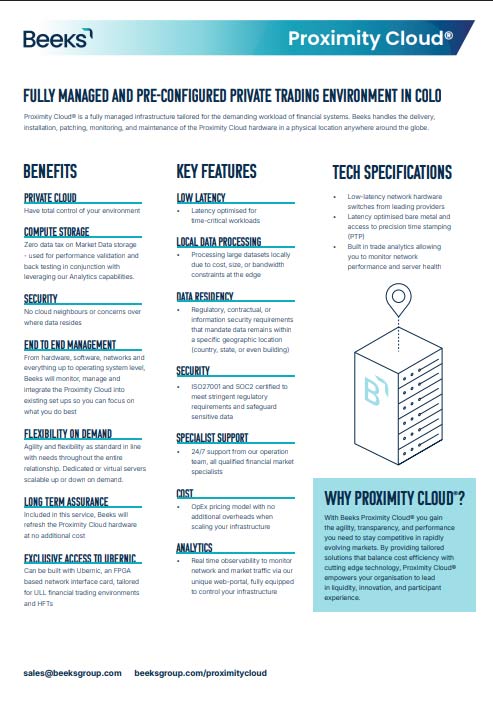
Infrastructure at the edge, deployed near key exchanges/third party data centres, offers firms the ability to run closer to market while maintaining control and flexibility. This model combines the best of both worlds: cloud-style agility with trading-grade performance.
If you’re rethinking how your infrastructure handles volatility, our upcoming webinar is worth a look:
From Speed to Scale: Trading Infrastructure for Modern Markets
17th February 2026
2–3pm GMT