In a volatile market, by the time your infrastructure starts to fail, it’s often too late.
Many firms still only detect problems during periods of market stress, when the consequences are already unfolding. But as infrastructure expectations evolve, that reactive model is no longer sustainable. In 2026, fit-for-purpose infrastructure means having predictive visibility, not just troubleshooting after the fact.
During our recent webinar with infrastructure leaders, one question captured this perfectly: Do firms typically realise infrastructure is becoming a constraint before or during market stress? And for many without fit for purpose infrastructure, it’s during.
That reactive posture made sense when trading environments were simpler. But in 2026, strategies scale faster, venues are more fragmented, and message volumes fluctuate more aggressively. Performance degradation is rarely caused by a single component failure; it’s usually the cumulative effect of small inefficiencies that compound under pressure.
This is where predictive visibility becomes critical.
Beeks’ CTO Richard McMahon described how modern analytics are increasingly trained to spot stress signals in advance:
“For solutions that have our analytics products deployed, they can use machine learning to watch and understand trades, they extract the packet data and can watch and understand all the transactions that are going through the network. And that analytics is designed to learn what good traffic looks like and to predict when it sees certain behaviours start to change when things might start to be a problem on the network and generate alarms to the customer.”
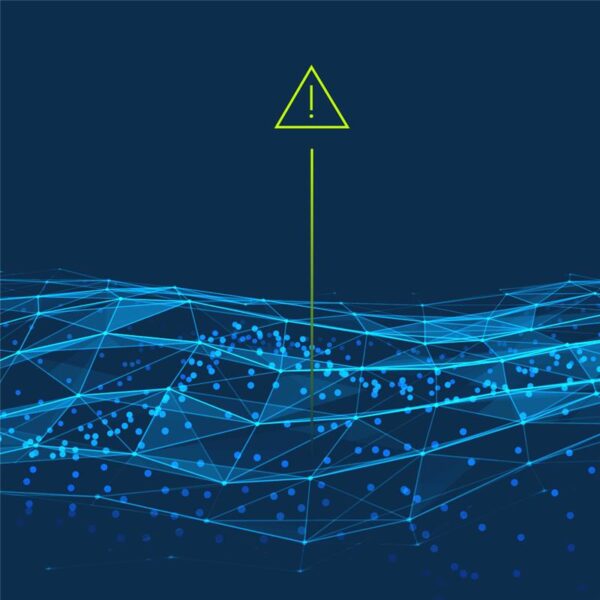
Modern analytics platforms are no longer limited to dashboards and threshold alerts. They are increasingly capable of learning behavioural baselines, understanding what “normal” traffic looks like across a trading environment, and flagging anomalies early. Not after latency has already spiked, but when patterns begin to shift.
The difference is subtle but meaningful.
Reactive monitoring explains what went wrong. Predictive analytics helps prevent it.
This is the thinking behind platforms such as Beeks’ Market Edge Intelligence®, which applies AI/ML analytics directly within the infrastructure layer rather than as an external overlay. The objective isn’t simply to monitor, it’s to interpret behaviour in context, at the point where performance matters most.
Fit-for-purpose in 2026 means visibility you can act on, before issues become outages.